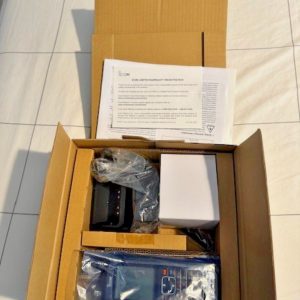
:::writingvariant="document" id="58314" ICOM IC-A25N Handheld NAV/COM Transceiver w/ Bluetooth – Open Box: Advanced Pilot Communication The ICOM IC-A25N Handheld NAV/COM Transceiver w/ Bluetooth – Open Box is designed for aviation users seeking a capable portable radio that can support communication and navigation-related operations. Choosing an open-box aviation radio may allow buyers to obtain advanced pilot equipment at a more accessible price than a comparable factory-sealed package. The ICOM IC-A25N Handheld NAV is suitable for users who want portable access to communication and navigation-related functions during flight preparation, cockpit operations, instruction, emergency planning, or airport ground activities. The ICOM IC-A25N Aviation Radio offers portable flexibility for aircraft owners who do not want to rely exclusively on panel-mounted communication equipment. A portable ICOM IC-A25N Handheld Radio supports flexible aviation operations because it can remain with the pilot rather than being permanently installed in one aircraft. A capable Handheld NAV/COM Aviation Transceiver provides pilots with an integrated solution that can be stored conveniently and accessed quickly. Whether a buyer is sourcing a Handheld Aviation Radio, Aviation NAV/COM Radio, Pilot Handheld Radio, or Aircraft Communication Radio, actual operating needs should guide the selection. The handheld format makes the unit relevant to buyers comparing Emergency Aviation Radio, Backup Aircraft Radio, ICOM Pilot Radio, and portable navigation communication equipment.
Exploring the ICOM IC-A25N NAV/COM Platform
The ICOM IC-A25N is designed to provide aviation communication and navigation-related functionality in a portable enclosure suitable for cockpit, ramp, hangar, training, and emergency use. Pilots often select a feature-rich handheld radio because it supports communication needs without requiring permanent installation or aircraft modification. Portable equipment should be treated as part of a complete communication plan rather than a guaranteed replacement for every installed avionics function. Training with the device can reduce delays and confusion when rapid communication becomes necessary.ICOM IC-A25N Handheld NAV Applications
A handheld NAV radio can be valuable to flight instructors who demonstrate aviation communication and navigation concepts during training. Private pilots may carry the device during cross-country flights, aircraft repositioning, fly-ins, or travel in rented airplanes. Aviation navigation requires situational awareness, planning, current data, and understanding of aircraft and airspace requirements. The radio should be stored securely so it does not interfere with controls, visibility, passengers, or emergency egress.ICOM IC-A25N Aviation Radio for Pilots
Aviation professionals can carry the IC-A25N when moving between aircraft instead of depending entirely on equipment installed in one cockpit. Aircraft sales organizations may keep handheld radios available during demonstrations, repositioning, delivery preparation, and customer familiarization. Current photographs should show the radio body, display, controls, connectors, antenna, battery, charger, packaging, and included components. Remote buyers may request a video showing startup, menu operation, button response, audio output, charging status, and physical condition.Carrying the ICOM IC-A25N Handheld Radio
A compact radio can remain in a flight bag alongside headsets, charts, flashlights, batteries, and other essential pilot equipment. Pilots should protect the radio with a suitable case or organized storage compartment to reduce the risk of impact, moisture, connector damage, or accidental control activation. Pilots can practice with the radio at home or in a classroom while following the applicable manual and operating guidance. A portable radio should not be left in extreme heat, direct sunlight, freezing conditions, or damp environments for extended periods.Using a Handheld NAV/COM Aviation Transceiver
A Handheld NAV/COM Aviation Transceiver combines portable communication and navigation-related capability within one device, making it useful for pilots who value multifunction equipment. Buyers should compare interface design, battery options, charging arrangements, antenna quality, accessory availability, display readability, audio performance, and operational needs. The radio should website be inspected before every important flight for battery charge, antenna security, control response, display condition, volume setting, and physical damage. Any abnormal heat, charging issue, intermittent audio, damaged control, loose connector, or battery swelling should be investigated before further operation.Maintaining a Handheld Aviation Radio
A Handheld Aviation Radio is a practical tool for private pilots, instructors, students, mechanics, aircraft owners, flight schools, and airport support personnel. A handheld unit is most valuable when charged, accessible, tested, and familiar to the pilot before it is required. Accessories such as approved headset connections or suitable external antenna arrangements may influence convenience and performance. Professional radio discipline includes listening carefully, transmitting clearly, using appropriate terminology, and keeping messages relevant.Using an Aviation NAV/COM Radio
The IC-A25N can be carried across different aircraft, allowing one pilot to maintain familiarity with the same handheld controls. The user should understand how to move efficiently between communication and navigation functions without becoming distracted. Pilots should maintain current charts, navigation planning, weather awareness, and suitable avionics for the flight being conducted. Paired accessories and Bluetooth connections should be tested so unexpected setup issues do not occur during flight.Choosing a Pilot Handheld Radio
Flight instructors may value a handheld unit for monitoring, demonstration, backup, and coordination during ground or flight-training activities. The microphone, antenna, cables, headset adapters, and charger should be stored so they do not become tangled or damaged. Pilots can include the handheld in periodic proficiency exercises without making unauthorized or unnecessary transmissions. Responsible power management is central to maintaining a dependable Pilot Handheld Radio.Portable Aircraft Communication Radio
The IC-A25N can become part of an organized communication strategy for private pilots and aviation businesses. Headset and Bluetooth accessories should be tested for microphone quality and audio clarity before operational use. A portable radio may operate differently from the aircraft’s main communication system because antenna size, antenna position, output, and cockpit shielding can affect performance. Qualified repair or manufacturer-supported service may be appropriate for electronic problems that cannot be corrected through normal setup.Maintaining a Portable Aviation Transceiver
Portability is valuable when users need one radio across several airplanes, buildings, vehicles, or operational locations. A portable unit is easier to transport than installed avionics, but it also requires careful management of batteries, antennas, chargers, cables, and accessories. Wireless connectivity may help pilots integrate the radio into a preferred communication setup when paired equipment is supported and configured correctly. Careful setup allows portable wireless communication features to improve convenience without creating unnecessary cockpit distraction.Aviation Communication Device for Professional Use
Pilots should select communication equipment according to mission requirements, aircraft type, operating area, training needs, and backup planning. Transparent condition information allows the purchaser to judge whether the price reflects the package accurately. Equipment logs can improve accountability when several instructors, pilots, or technicians share one transceiver. A radio configured for one headset or training environment may need adjustment before being issued for another application.Handheld Aircraft Radio Applications
A Handheld Aircraft Radio can provide useful communication capability both inside the cockpit and around the aircraft during maintenance, preflight, towing, fueling, or operational preparation. The radio provides practical value wherever access to aviation communication is useful away from a powered instrument panel. The unit must remain accessible without forcing the pilot to look away from primary responsibilities for an extended period. After ground or cockpit use, the radio should be checked for dirt, moisture, fuel residue, oil, impact damage, and accessory wear.Using an Aviation Navigation Radio
A combined navigation and communication unit can help pilots maintain familiarity with one device rather than carrying unrelated portable tools. Students should receive appropriate instruction so the device supports learning rather than creating misunderstanding or distraction. A handheld radio should not be treated as a substitute for equipment or procedures required by regulation, aircraft approval, or operating conditions. Careful preparation allows an Aviation Navigation Radio to provide practical value without increasing cockpit workload unnecessarily.Choosing an ICOM Pilot Radio
An ICOM Pilot Radio can appeal to aviation users who value an established communications manufacturer, aviation-focused controls, portable construction, and practical accessory support. Brand reputation should be considered alongside the condition and completeness of the specific unit being purchased. The device should support the pilot’s normal workflow rather than requiring accessories or procedures that are inconvenient or incompatible. Pilots should record serial information, purchase details, accessory inventory, battery condition, and any warranty documentation.Emergency Aviation Radio Preparedness
A handheld radio may support a pilot’s response to an abnormal situation by providing portable communication capability independent of the main panel system. Cockpit structure, antenna location, terrain, altitude, weather, buildings, and battery condition can influence emergency performance. Pilots should evaluate whether the radio can be heard clearly in the noise environment of their aircraft. Preparedness transforms an Emergency Aviation Radio from a stored accessory into a meaningful backup communication tool.Using a Backup Aircraft Radio
A Backup Aircraft Radio provides communication redundancy for pilots who want an alternative to the primary panel-mounted transceiver. Stored batteries can lose capacity, accessories can become misplaced, settings can change, and physical damage may go unnoticed. The pilot should determine whether the radio will be operated through its built-in audio, Bluetooth accessory, or wired headset connection. Backup planning should also consider how the aircraft will be flown, navigated, and managed while the pilot is using the portable radio.Evaluating an Open-Box Aviation Radio
Connectors and charging contacts should appear clean, straight, secure, and free from corrosion or contamination. The package should be compared with the seller’s inventory to confirm the radio, battery, antenna, charger, adapters, clip, documentation, packaging, and other included accessories. Navigation and communication menus should respond normally without freezing, unexpected shutdowns, or intermittent controls. The buyer should inspect the radio promptly after delivery and report any missing items, damage, or functional concerns according to the agreed terms.Maintaining a Portable NAV/COM Transceiver
The radio should be inspected according to usage frequency, storage duration, operating environment, and the importance of its backup role. Occasional-use radios should still receive periodic checks because batteries and electronic components can deteriorate during inactivity.- Inspect the radio body, display, antenna, battery, charger, controls, connectors, clips, cables, and included accessories before important operations.
- Keep the operating guide or a simple quick-reference resource accessible until important functions are fully familiar.
- Store the radio, battery, charger, antenna, adapters, and documentation in a dry, organized, protected location after use.